In the age of artificial intelligence, the world of storytelling is rapidly evolving. Writers, entrepreneurs, and even public figures are now turning to AI-powered tools to streamline the writing process. But one big question remains: Is it legal to use AI to ghostwrite your memoir? The short answer is yes—but with some important legal and ethical nuances you need to understand first.
Whether you’re considering AI to help write your personal story or debating between human vs. machine authorship, this guide will walk you through everything you need to know.
Understanding AI Ghostwriting
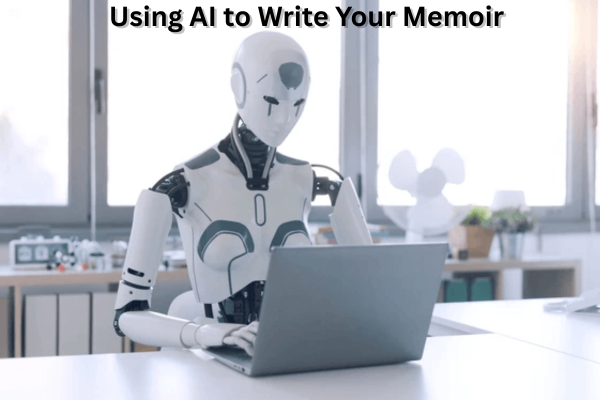
AI ghostwriting refers to the use of artificial intelligence tools like ChatGPT, Claude, or Jasper.ai to help generate content for a book, article, or blog. These tools analyze massive datasets and use predictive modeling to generate human like text.
While AI can certainly assist in writing, editing, and outlining, it often lacks emotional nuance, human experience, and storytelling intuition. That’s why many authors still prefer collaborating with professional ghostwriters who understand narrative structure, voice, and memoir tone.
For a deep dive into the human touch in ghostwriting, check out our blog: Can AI Replace Ghostwriters? The Definitive Answer
Is It Legal to Use AI for Memoir Writing?
The short answer: Yes, it is legal.
There are currently no laws that prohibit you from using AI to write your memoir. As long as you own the rights to the final manuscript and did not violate any terms of service or copyright rules, you can claim authorship.
However, consider these key legal factors:
- Ownership & Copyright: Most AI-generated content is not protected by copyright unless significantly edited by a human. This means you must personalize and revise AI-generated text to claim full legal ownership.
- Terms of Use: Always review the AI platform’s terms of service. Some tools may restrict commercial use or resale.
- Plagiarism Risks: AI sometimes generates content that is too similar to existing works. Always run your manuscript through plagiarism detectors.
Ethical Considerations of AI Ghostwriting
Even if AI usage is legal, many authors still grapple with this question: Is it ethical to use AI to write a memoir? Memoirs are deeply personal. Using an emotionless tool to tell a human story can feel disingenuous or incomplete.
Here are a few questions to ask yourself:
- Does AI capture your emotional truth?
- Are you comfortable not writing the story yourself?
- Would you be transparent about using AI in your process?
Many authors find balance by working with a professional human ghostwriter to polish and structure AI-generated drafts. Learn more about the difference between ghostwriting and co-authoring here.
Pros and Cons of Using AI to Write Your Memoir
Pros:
- Speed: AI can generate content quickly
- Cost-effective: Cheaper than hiring a human writer
- Idea Generator: Great for brainstorming or outlining
Cons:
- Lack of emotional depth
- Risk of generic or repetitive content
- No legal copyright in many jurisdictions
- Requires heavy editing to sound authentic
Real-World Example: Hybrid Approach
Many memoirists are now using a hybrid model: writing a rough draft using AI, then hiring a human ghostwriter to polish the manuscript. At Phantom Ghostwriting, we’ve helped numerous clients take their AI-assisted drafts and transform them into emotionally resonant, professionally written memoirs.
For instance, one client came to us with a 40,000-word AI-generated draft. While the facts were intact, the voice felt robotic. Our memoir writing team rewrote and restructured the manuscript, incorporating emotional arcs and real dialogue, resulting in a moving and publishable book.
Explore our Memoir & Autobiography Services to see how we can help bring your story to life.
Legal Alternatives: Hire a Professional Ghostwriter
If you’re unsure about relying on AI alone, consider hiring a professional. Ghostwriters offer legal contracts, NDAs, custom voice development, and storytelling expertise—all while ensuring your book is 100% original.
Read more: What Is Ghostwriting and How Does It Work?
We recommend exploring:
- Business Book Ghostwriting
- Celebrity Autobiographies
- Fiction Ghostwriting
- Editing Services for AI drafts
AI Ghostwriting vs Human Ghostwriting
| Feature | AI Ghostwriting | Human Ghostwriting |
|---|---|---|
| Emotional Nuance | Lacks depth | Personalized storytelling |
| Cost | Low-cost or free | More expensive |
| Copyright Clarity | Often unclear | Fully protected under contract |
| Editing Required | Heavy editing needed | Minimal client editing |
| Publishing Ready? | Not without rework | Ready for self-publishing or agents |
Final Thoughts: Should You Use AI to Ghostwrite Your Memoir?
Using AI to draft your memoir isn’t illegal, but it comes with trade-offs. While it can speed up the writing process, it can’t replace the emotional richness and narrative depth a human ghostwriter brings.
If you’re just starting out, use AI for brainstorming or rough drafts. But for a truly memorable and legally sound memoir, work with a professional writing team.
Start your journey today with our expert team at Phantom Ghostwriting. We’ll help you turn your life story into a book worth reading—whether it’s from scratch or built on top of your AI draft.
FAQs
Q: Is it legal to use AI to write my book?
A: Yes, it is legal. You can use AI tools to write your book, including memoirs, as long as you follow platform terms and ensure the content is original. You may need to revise AI output to claim full ownership.
Q: Is it ethical to use AI to help write a book?
A: It depends. Ethically, it’s acceptable to use AI for brainstorming or drafting if you’re transparent and ensure the final work reflects your voice. For deeply personal stories, consider pairing AI with human input for emotional depth.
Q: Can I use AI to write my biography?
A: Yes, AI tools can help draft a biography or memoir. However, AI may miss emotional subtleties or cultural context, so human editing or co-writing is recommended for authenticity.
Q: Is it okay to use AI for writing stories?
A: Absolutely. AI is useful for generating ideas, dialogue, and plot outlines. For publishing-ready fiction, human editing is essential to ensure originality and depth.
Q: What are the best AI writing tools for memoirs and autobiographies?
A: Some top AI writing tools include ChatGPT, Jasper, Sudowrite, and Claude AI. These tools are great for outlining or drafting, but work best when combined with human editing or ghostwriting support.