
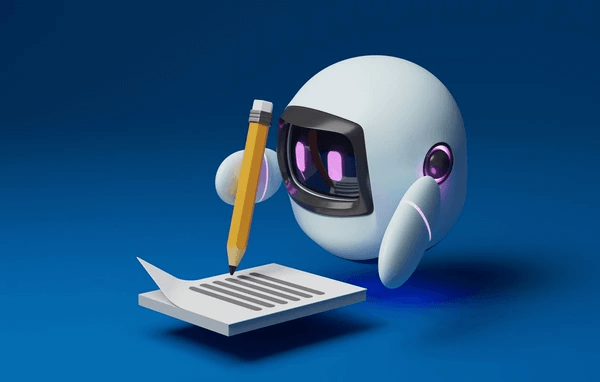
No, AI cannot fully replace human ghostwriters because true ghostwriting requires deep empathy, strategic insight, creative adaptability, and ethical judgment—qualities that AI lacks. While AI can assist with research and drafting, the nuanced human connection and storytelling expertise remain indispensable.
Why AI Cannot Fully Replace Human Ghostwriters
In today’s rapidly evolving digital landscape, artificial intelligence (AI) has transformed many industries, including content creation. AI-powered tools can generate text, assist with editing, and even mimic certain writing styles. However, despite these impressive advances, AI cannot and is highly unlikely to ever fully replace human ghostwriters. Ghostwriting is a deeply human craft that requires empathy, strategic insight, creativity, and adaptability—qualities that AI, by its very nature, cannot replicate.
This article explores why human ghostwriters remain indispensable, the unique strengths they bring to the table, and how AI can serve as a complementary tool rather than a replacement. Whether you’re considering a memoir, a business book, or a work of fiction, understanding this distinction is crucial to achieving authentic, impactful storytelling.
1. The Power of Deep Human Connection and Empathy
At its essence, ghostwriting is about capturing another person’s voice, vision, and lived experience. This is not a mechanical task but a profoundly human one.
Genuine Empathy and Emotional Understanding
Human ghostwriters listen attentively, internalizing a client’s emotions, motivations, and unique story. This emotional intelligence enables them to convey subtle feelings, tone shifts, and the nuances of personality that make a narrative compelling and authentic. For example, when working on memoirs and autobiographies, a ghostwriter must sensitively navigate personal memories, trauma, and triumphs—something AI cannot truly comprehend or express.
AI, by contrast, processes patterns and data but does not “feel.” It cannot understand the emotional weight behind a story or the unspoken context that shapes a person’s voice. This lack of empathy results in writing that may be technically accurate but emotionally hollow.
Building Trust and Rapport
A successful ghostwriting relationship is built on trust, confidentiality, and mutual respect. Human ghostwriters foster open communication, allowing clients to be vulnerable and honest. This rapport is essential for co-creating a narrative that genuinely reflects the client’s vision and values.
AI tools cannot establish this kind of personal connection or maintain confidentiality in the same way. The human bond is what enables ghostwriters to ask the right questions, provide constructive feedback, and encourage clients to dig deeper into their stories.
Capturing Authenticity and Voice
Every individual’s voice is unique—shaped by their experiences, culture, and personality. Human ghostwriters can discern and replicate these nuances, capturing the authentic cadence, humor, and idiosyncrasies that bring a story to life. This is especially vital in projects like business books or fiction, where the voice must resonate with specific audiences.
AI-generated content often lacks this authenticity, producing text that feels generic or formulaic. It struggles to mirror the subtle inflections and emotional resonance that make a narrative memorable.
2. Strategic Nuance and Critical Thinking Beyond Data
Ghostwriting is not just about writing well—it’s about writing strategically.
Original Strategic Insight
Human ghostwriters serve as strategic partners. They help clients clarify their objectives, refine their core message, identify target audiences, and structure content to maximize impact. For example, a ghostwriter working on a non-fiction book might advise on how to frame arguments persuasively or organize chapters for optimal reader engagement.
AI can generate text based on existing data but lacks the ability to provide original strategic insight. It cannot ask probing questions or anticipate challenges that might arise during the writing or publishing process.
Navigating Complexity and Ambiguity
Real-life stories and ideas are often complex, messy, and ambiguous. Human ghostwriters excel at interpreting subtle cues, filling knowledge gaps through intuitive questioning, and making nuanced editorial judgments. They can decide when to expand on a topic, when to simplify, or when to introduce storytelling elements to clarify meaning.
AI, on the other hand, operates within predefined algorithms and patterns. It struggles with ambiguity and cannot make judgment calls that require critical thinking beyond data processing.
Ethical Judgment and Accountability
Ghostwriters are bound by strict ethical standards. They ensure accuracy, avoid plagiarism, respect confidentiality, and uphold the client’s integrity. These ethical considerations are especially critical in sensitive projects such as celebrity autobiographies or business books that may influence reputations.
AI has no inherent ethical framework or accountability. It cannot verify facts or understand the consequences of misinformation, making human oversight indispensable.
3. Creative Problem Solving and Unforeseen Adaptability
Every ghostwriting project is unique and often unpredictable.
Innovative Storytelling
Human ghostwriters bring creative flair and imagination to storytelling. They can find fresh angles, craft compelling narratives, and use literary techniques that resonate emotionally with readers. Whether writing fiction or a heartfelt memoir, a ghostwriter’s creativity is key to making the story stand out.
AI can generate permutations of existing data but lacks true conceptual innovation or the ability to invent original ideas that surprise and engage.
Adapting to Evolving Visions
Clients’ visions often evolve during the writing process. New information may emerge, or priorities may shift. Human ghostwriters are flexible and responsive, able to rethink structures, integrate new elements, and ensure the final product remains cohesive and aligned with the client’s revised goals.
AI systems require explicit reprogramming or new inputs to adjust significantly, limiting their adaptability.
Handling Sensitive Subject Matter with Tact
Writing about personal experiences, trauma, or sensitive business topics demands discretion, tact, and emotional intelligence. Human ghostwriters understand how to approach delicate subjects gracefully, ensuring respect and professionalism throughout the narrative.
AI lacks the sensitivity to navigate such nuances and may inadvertently produce inappropriate or tone-deaf content.
4. The Irreplaceable “Human Touch” of Storytelling
The true magic of storytelling lies in its ability to connect deeply with readers on a human level.
Infusing Personality, Humor, and Wit
Human ghostwriters can infuse text with a client’s unique personality—whether it’s humor, vulnerability, or wit—that makes the narrative engaging and relatable. This personal touch distinguishes a compelling book or article from generic content.
Weaving Subtlety and Nuance
Effective communication often relies on subtle cues, implied meanings, and unspoken emotions. Human ghostwriters expertly weave these elements into the narrative, creating layers of depth and resonance that AI, limited by explicit data, cannot replicate.
Crafting Emotional Resonance and Persuasion
Ghostwriters understand the psychological underpinnings of persuasion and emotional connection. They strategically deploy language to evoke specific responses—whether to inspire action, provoke thought, or move readers emotionally. This skill is essential in memoirs, business books, and speeches alike.
AI as a Tool to Enhance, Not Replace Human Ghostwriters
It’s important to recognize the valuable role AI can play in the ghostwriting process. AI tools excel at:
- Accelerated Research: Quickly gathering information and data on a topic.
- Generating Outlines and Brainstorming: Providing initial structures or ideas to spark human creativity.
- Drafting Basic Content: Producing preliminary text for routine or formulaic content, which human writers then refine and elevate.
- Grammar and Style Checks: Assisting with technical improvements to writing.
These functions can enhance efficiency, allowing ghostwriters to focus more on the creative, strategic, and relational aspects of their work.
The Future of Ghostwriting: A Collaborative Human-AI Partnership
The future of ghostwriting is not about AI replacing humans but about humans leveraging AI to augment their capabilities. Professional ghostwriters who integrate AI tools thoughtfully can streamline research and drafting, freeing up time to deepen client engagement, solve creative challenges, and craft authentic stories.
Whether you are developing a business book, writing a memoir, or exploring fiction, the human touch remains indispensable. Additionally, services like publishing, editing, marketing, and book cover design further ensure your story reaches and resonates with your audience.
Conclusion: The Irreplaceable Value of Human Ghostwriters
For individuals and businesses seeking to tell their unique stories with clarity, emotional depth, and strategic impact, the expertise of a professional ghostwriter remains essential. AI can assist, but it cannot replicate the empathy, creativity, ethical responsibility, and human connection that define true ghostwriting.
Your voice, your vision, and your story deserve the irreplaceable touch of a skilled human ghostwriter.